

Orthodontics with Dr. Bateman in Boca Raton
Braces, clear braces, and Invisalign for kids, teens, and adults, planned by Dr. Bateman, a board-certified orthodontist, at our Boca Raton office.
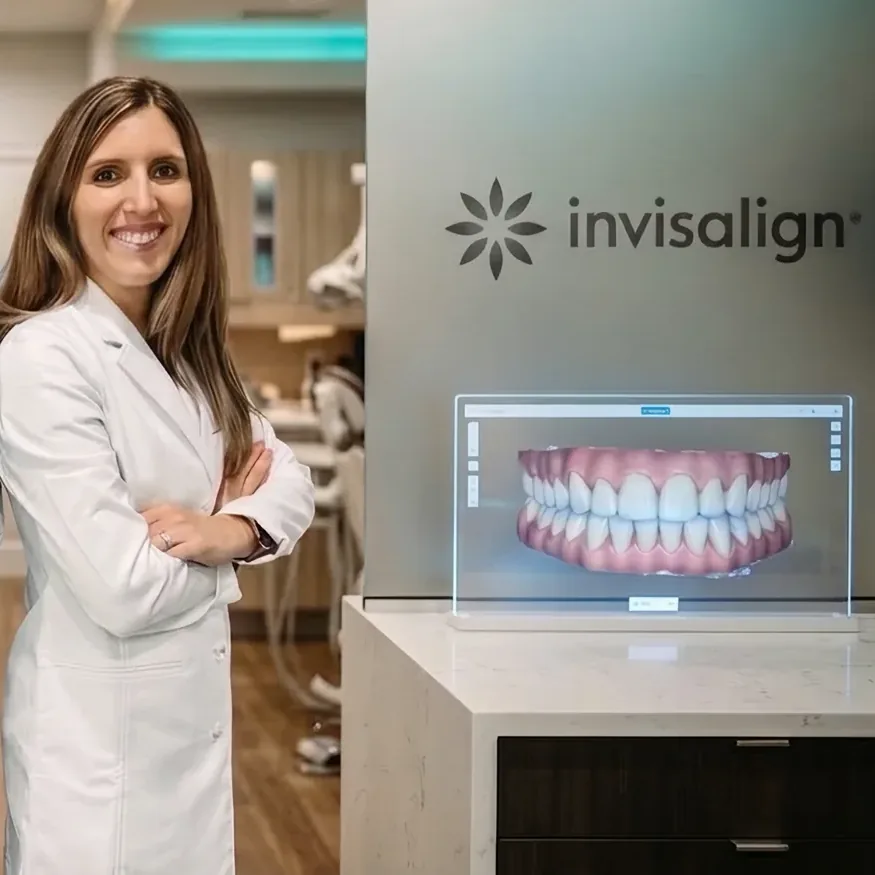
Meet your orthodontist
Dr. Kayla Bateman, DDS
Board-Certified OrthodontistAn orthodontist is a dentist who goes back for years of extra, full-time training in how teeth move and how jaws grow. Dr. Bateman earned her DDS at NYU College of Dentistry, then completed a three-year residency in orthodontics and dentofacial orthopedics at Roseman University.
She treats crowding, gaps, overbites, underbites, crossbites, and habits like thumb sucking and tongue thrusting. Because she works beside general dentist Dr. Joshua Etman, your cleanings and your orthodontic visits happen at one Boca Raton address.
- B.S., University of Notre Dame
- DDS, NYU College of Dentistry
- General practice residency, Coler-Goldwater, caring for medically complex patients
- Member, American Association of Orthodontists and the College of Diplomates of the American Board of Orthodontics
- Member, ADA, Florida Dental Association, and Palm Beach County Dental Association
Invisalign and clear aligners
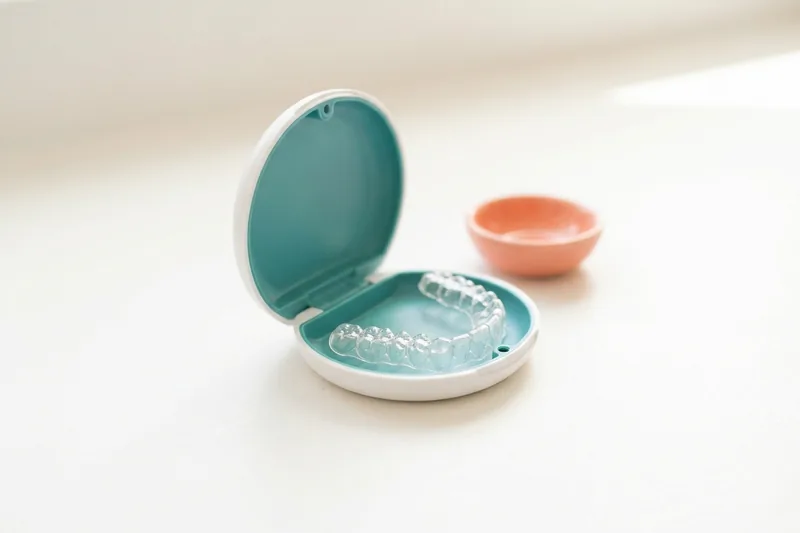
Invisalign straightens teeth with a series of thin, clear trays made from a digital model of your mouth. Each tray is shaped a little differently from the one before, so your teeth shift in small, planned steps. You move to the next set on the schedule Dr. Bateman gives you, usually every week or two.
Some teeth get small, tooth-colored bumps called attachments. They give the trays something to grip, which helps with rotations and bigger moves, and they are polished off at the end.
Does it work? For the right bite, yes. Aligners handle crowding, spacing, and many overbite and underbite cases, often with elastics. A few severe jaw problems still respond better to braces, and your consult will tell you which group you are in.
- Wear the trays 20 to 22 hours a day and take them out to eat or drink anything but water
- Brush before the trays go back in, and rinse them in cool water
- Expect a day or two of pressure with each new set; that is your teeth moving
- A slight lisp can show up in the first few days and usually fades as your tongue adjusts
Braces: metal and clear
Braces stay on your teeth around the clock, so they keep working on the days you forget about them. For large bite corrections they are often the strongest tool an orthodontist has.
Metal braces
Small stainless steel brackets joined by a thin archwire. They are durable and precise, a strong fit for complex bites and for younger patients who might misplace removable trays.
Braces questionsClear braces
Ceramic brackets in a tooth color that blends in. They move teeth the same way metal braces do and are much harder to notice, though not invisible. The brackets are a little larger, so gentle brushing around them matters.
Braces questionsRetainers
Teeth tend to drift back after any straightening. A retainer, either removable or a thin wire bonded behind the front teeth, holds your result. Wear it exactly as directed and bring it to your checkups.
Treatment timelineLife with braces, at any age
Braces are not only for kids. Adults can start any time their teeth and gums are healthy. A few habits make the months easier.
Eating with braces
Skip hard, sticky, and chewy foods such as popcorn, caramel, and ice. Cut crunchy fruit into small pieces.
Sports
You can keep playing. Wear a mouthguard made to fit over braces to protect your lips and brackets.
Cleaning
Brush after meals, and use floss threaders or small brushes between brackets. Keep up your regular cleanings.
Invisalign or braces?
Both straighten teeth well when the case fits. The better pick depends on your bite, your habits, and how much you care about what shows.
| Topic | Invisalign | Braces |
|---|---|---|
| How it looks | Clear trays that are hard to spot | Metal or tooth-colored brackets on the front of the teeth |
| Removable | Yes, out for meals and brushing | No, on until treatment ends |
| Food | Eat what you like, then brush before trays go back in | Avoid hard, sticky, and chewy foods |
| Cleaning | Brush and floss as usual, and clean the trays | Extra time with floss threaders or small brushes |
| What it asks of you | Works only when worn 20 to 22 hours a day | Works around the clock with no effort from you |
| Often chosen for | Adults and responsible teens with mild to moderate crowding or spacing | Complex bites, large rotations, and younger patients |
Cost depends on the length and complexity of treatment, so ask the office for an estimate after your consult. Want more detail first? Read how to choose between Invisalign and metal braces.
Teens and early treatment
The American Association of Orthodontists recommends a first orthodontic check by about age 7. With a mix of baby and adult teeth in place, an orthodontist can spot crowding, crossbites, and jaw growth problems early. Many children only need monitoring, and that visit gives you a plan instead of a guess.
Invisalign Teen
Invisalign Teen works like adult Invisalign, with features built for busy teenagers. Blue wear indicators on the trays fade as they are worn, so you can see whether your teen is keeping them in. If a tray cracks or goes missing, a quick call to the office sorts out what to wear next.
Tips for parents
- Agree on where trays go during lunch: a case, never a napkin
- Check the wear indicators now and then instead of nagging daily
- Lost or cracked tray? Call the office before switching sets on your own
- Braces suit teens who would rather not manage removable trays
Curious about options beyond brackets? Read straighter teeth without traditional braces.
From first check to retainer
Consult and records
Dr. Bateman examines the teeth and bite, takes photos and digital X-rays, and talks through your goals.
Phase I, only if needed
For a growing child, an early appliance such as a palatal expander, habit breaker, or bite plate guides jaw development.
Phase II: braces or Invisalign
Once most adult teeth are in, braces or aligners line them up, often with elastics to correct the bite.
Retainers
A retainer holds the new position while bone and gums settle around it. This step protects everything that came before.
Orthodontic questions
Have a question that is not here? Call and the team will help you sort out next steps.
Call (561) 338-6411What is an orthodontist?
An orthodontist is a dentist who completes two to three more years of full-time residency training in moving teeth and guiding jaw growth. Orthodontists diagnose and treat crooked teeth, gaps, and bite problems with braces, clear aligners, expanders, and retainers. Dr. Kayla Bateman finished a three-year orthodontics and dentofacial orthopedics residency at Roseman University and is a board-certified orthodontist.
When should I see an orthodontist?
Children should have a first orthodontic check by about age 7, as the American Association of Orthodontists recommends. Adults can start at any age. Book a visit sooner if you notice crowding, gaps, teeth that do not meet, jaw clicking, or a thumb or tongue habit. A consult tells you whether to treat now, later, or not at all.
What is Invisalign?
Invisalign is a brand of clear aligners: thin, removable plastic trays made from a digital model of your teeth. You wear each set for a week or two, then move to the next, and your teeth shift a little with every change. Most people wear them 20 to 22 hours a day and take them out only to eat, drink, and brush.
Does Invisalign hurt?
Invisalign does not usually hurt, but it is not pressure free. Most people feel snugness and mild soreness for a day or two after switching to a new tray, which means the teeth are moving. Cool water, soft foods, and an over-the-counter pain reliever, if your doctor says it is safe for you, usually take care of it.
How long will I have to wear Invisalign aligners?
It depends on how far your teeth need to move. Mild spacing can finish in months, while crowding or bite correction takes longer. Dr. Bateman maps your case at the consult and gives you an estimate. During treatment you wear the trays 20 to 22 hours a day, and afterward a retainer holds the result.
What is the right age to get dental braces?
There is no single right age. Many patients start braces between about 9 and 14, when most adult teeth are in and the jaws are still growing. Some children benefit from an earlier phase of treatment, and adults of any age can get braces as long as their teeth and gums are healthy.
Is getting braces painful?
Placing braces does not hurt. The brackets are bonded to the teeth with no needles or drilling. Expect soreness for a few days after placement and after adjustments, and the brackets may rub your cheeks at first. Soft foods, orthodontic wax, and an over-the-counter pain reliever, if it is safe for you, help during those days.
What is the difference between clear braces and clear aligners?
Clear braces are ceramic brackets bonded to your teeth and joined by a wire. They stay on full time, and only the orthodontist adjusts them. Clear aligners, such as Invisalign, are removable plastic trays you swap on a schedule. Braces need no willpower to work; aligners need 20 to 22 hours of wear a day but come out for meals and brushing.
How do I know if an orthodontist is qualified?
Ask where they trained. A specialist orthodontist has a dental degree plus a two to three year orthodontic residency. Board certification by the American Board of Orthodontics is a further, voluntary step that takes extra exams. Dr. Bateman holds a DDS from NYU, completed a three-year orthodontic residency at Roseman University, and is a board-certified orthodontist.
How much does Invisalign cost?
The cost depends on how complex your case is and how long treatment takes, so it varies from person to person. Some dental plans include orthodontic benefits that pay part of the cost of braces or aligners, and many do not, so check your plan. Dr. Bateman maps your case at the consult and gives you an estimate. Call (561) 338-6411 to book.
How long do braces take?
Many people wear braces for about one to three years, and the average is around two years. Mild cases can be faster, and complex cases or adult treatment can take longer. Dr. Bateman gives you a timeline for your own case at the consult.
Can Invisalign fix an overbite?
Often, yes. Clear aligners can treat many mild to moderate overbites, along with crowding, gaps, and crossbites. A severe overbite may need braces or another appliance. An exam at your consult tells us which option fits.
Book an orthodontic consult with Dr. Bateman
Book an orthodontic consult with Dr. Bateman online, or call the office at (561) 338-6411.