

Emergency Dentist in Boca Raton

A cracked tooth, a knocked-out tooth, or a toothache that will not let you sleep? During office hours, call us first. We will tell you what to do and how soon we can see you.

Heavy bleeding or swelling that affects breathing? See when to go to the ER instead.

What counts as a dental emergency

If something hurts badly, keeps bleeding, or a tooth has moved, broken, or come out, treat it as urgent. Here is what to do in the first few minutes for the problems we see most.

Knocked-out tooth

Adult teeth only: never put a baby tooth back in. Pick it up by the white crown, never the root. Rinse it gently if it is dirty, then try to set it back in the socket and bite on gauze. If it will not go back, keep it in milk and call right away.

Chipped or cracked tooth

Rinse with warm water, save any piece you find, and hold a cold pack on your cheek. A crack that hurts when you bite or release can reach the nerve, so do not wait for it to "settle down."

Abscess or gum swelling

A pimple-like bump on the gum, a bad taste, or swelling near a tooth points to infection. Rinse with warm salt water and call us. Infection does not clear on its own and can spread.

Severe toothache

Floss gently around the tooth in case food is trapped. Take an over-the-counter pain reliever as the label directs. Never put aspirin on the gum, because it can burn the tissue.

Lost crown or filling

Keep the crown in a small bag and bring it with you. Chew on the other side and avoid very hot or cold drinks. We can often re-cement a crown that is still in good shape.

Broken braces or wires

Cover a poking wire with orthodontic wax or a cotton ball. Do not cut it yourself unless we tell you how. A loose bracket is rarely urgent, but a wire cutting your cheek is worth a call.

Dentist or emergency room?

Most tooth problems belong with a dentist. Hospital emergency rooms can treat pain and infection, but they usually cannot repair a tooth, so you would still need a dental visit afterward. A few situations are different.

Go to the ER instead if you have:

  • Bleeding that will not stop after 10 to 15 minutes of firm, steady pressure with clean gauze.
  • Facial or neck swelling that affects breathing or swallowing, or swelling that spreads quickly toward the eye or down the neck.
  • Jaw trauma, such as a jaw that may be broken or dislocated, or a mouth that will not open or close normally.
  • A head injury with confusion, vomiting, or any loss of consciousness.

This is general guidance, not a diagnosis. If you think a life is in danger, call 911. Once you are safe, call us so we can plan the dental follow-up.

Call Boca Dental Group first for:

  • A tooth that is knocked out, pushed out of place, chipped, or cracked
  • Toothache, throbbing, or pain when you bite
  • Swelling on the gum that is not affecting your breathing
  • A lost crown, filling, or broken denture
  • Pain or bleeding a few days after an extraction
Call (561) 338-6411

What to do before you get here

Clear steps in the first hour make the biggest difference, especially for a knocked-out or cracked tooth.

  1. Call us and describe what happened

    Tell us which tooth, when it happened, and how much it hurts or bleeds. We will tell you whether to come in, what to bring, and what to do on the way.

  2. Protect the tooth or the piece

    Keep a knocked-out tooth moist in milk or in a clean container with a little of your own saliva. Do not scrub it or wrap it in a dry tissue. Put broken pieces and a loose crown in a small bag.

  3. Control bleeding and swelling

    Bite gently on clean gauze or a damp tea bag for 10 to 15 minutes. Hold a cold pack on the outside of your cheek, 15 minutes on and 15 off.

  4. We find the cause and treat it

    Dr. Etman examines the tooth and takes digital X-rays as needed. A cracked tooth that reaches the nerve can often be saved with a root canal and a crown. If it cannot, we talk through extraction and how to replace the tooth.

Tooth extraction and wisdom teeth

We try to save a natural tooth whenever it makes sense. Removal becomes the better choice when decay or a fracture runs below the gum line, when infection keeps coming back, when gum disease has loosened the tooth, or when a tooth is blocking others from coming in.

Before an extraction, tell us about every medication you take, especially blood thinners, and any heart, joint, or immune condition. The area is numbed, and most people feel pressure rather than sharp pain while the tooth is gently loosened and removed.

Wisdom teeth are the third molars, which usually come in between the late teens and mid twenties. Not everyone needs them out. We recommend removal when they are impacted, partly erupted and trapping food, crowding nearby teeth, or causing pain. Some cases are best handled by an oral surgeon, and we will tell you if yours is one of them.

  • A clear plan for replacing the tooth, if it needs replacing
  • Written aftercare to take home
  • A follow-up check on how the site is healing
Implants and dentures
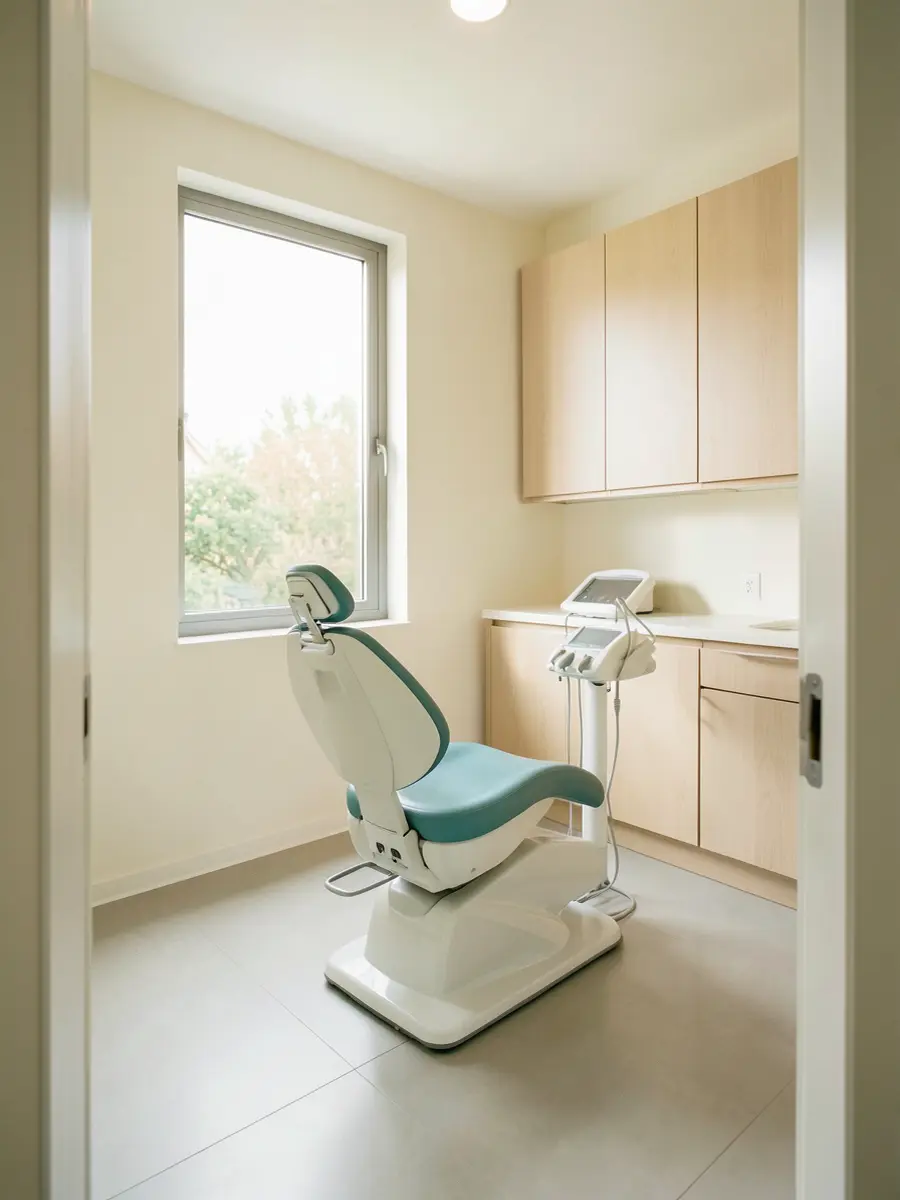
A bright, empty dental treatment room with a teal chair

What oral surgery involves

Oral surgery covers procedures on the teeth, gums, and jaw bone. The most common are tooth and wisdom tooth removal, bone grafts that prepare a site for a dental implant, and the placement of implants themselves.

Emergency surgery comes up when an infection needs to be drained, a tooth is broken below the gum, or an injury has damaged the bone around the teeth.

Before surgery

Eat a light meal beforehand if you are only being numbed, and follow any instructions our team gives you.

The first 24 hours

Rest, keep your head raised, and bite on gauze as directed. Skip straws, spitting, and smoking. They can pull the clot out of the socket.

Watch for dry socket

Pain that gets worse two to four days later, often with a bad taste, can mean the clot was lost. Call us. It is treatable, and relief usually comes quickly.

Dr. Joshua Etman and Dr. Kayla Bateman of Boca Dental Group

Dr. Joshua Etman, DDS

General Dentist

Dr. Etman earned his DDS at NYU College of Dentistry and completed a general practice residency at St. Luke's Roosevelt Hospital in New York City. His continuing education includes endodontics and implant surgery, the two skills behind saving a cracked tooth and replacing a lost one.

If your child has a dental injury and also wears braces, Dr. Kayla Bateman, our board-certified orthodontist, can check the appliance in the same office.

Emergency questions

Not sure it is urgent? Call during office hours and describe it. If the office is closed and you have swelling, uncontrolled bleeding or trouble breathing, go to the ER.

Call (561) 338-6411
How can I tell if I have a dental emergency?

Treat it as an emergency if you have severe or throbbing pain, a tooth that was knocked out or pushed out of place, a crack that hurts when you bite, swelling in your gum or face, or bleeding that does not slow down. Mild sensitivity or a small smooth chip can usually wait for a regular visit, but call if you are unsure.

What should I do while waiting to get to the emergency dentist?

Rinse gently with warm water, hold a cold pack on your cheek, and bite on clean gauze if there is bleeding. Keep any tooth or piece moist in milk. Take an over-the-counter pain reliever as the label directs, and avoid chewing on the injured side. If swelling affects your breathing or swallowing, go to the emergency room.

What should I do if I chip a tooth?

Rinse your mouth with warm water, save the piece if you can find it, and use a cold pack to keep swelling down. Cover a sharp edge with sugar-free gum or dental wax so it does not cut your tongue. Then call us. A small chip is often repaired with bonding, while a larger break may need a crown.

What if I chip a tooth and it falls out?

If the whole adult tooth comes out, hold it by the crown, rinse it briefly, and try to set it back in the socket. If you cannot, keep it in milk and call right away, because the first hour matters most. Do not put a baby tooth back in. If only a piece broke off, bring the piece with you.

What should I do after my tooth extraction?

Bite on the gauze as directed, rest for the day, and keep your head raised. Use a cold pack for swelling. Avoid straws, spitting, smoking, and hard or very hot food for the first few days. After 24 hours, rinse gently with warm salt water. Call us if bleeding is heavy or pain gets worse instead of better.

How long does the pain last after an extraction?

Most soreness peaks in the first two days and fades over about a week, with a wisdom tooth sometimes taking a little longer. Over-the-counter pain relievers taken as directed usually keep it manageable. Pain that grows worse after day two or three, often with a bad taste, can be dry socket, so call us.

Are wisdom teeth always extracted?

No. Wisdom teeth that come in fully, sit straight, and can be cleaned well can stay. We recommend removal when they are impacted, only partly through the gum, crowding other teeth, or causing pain or repeated infection. We check them on X-rays at routine visits so the decision is based on what we see.

What is oral surgery?

Oral surgery is any procedure that involves cutting or reshaping the gums, teeth, or jaw bone. Common examples are tooth and wisdom tooth removal, bone grafting, and dental implant placement. Some procedures are done in a general dental office, and more complex ones are referred to an oral and maxillofacial surgeon.

Is oral surgery painful?

The area is numbed before anything begins, so most patients feel pressure and movement rather than sharp pain during the procedure. Afterward, expect some soreness and swelling for a few days. Following the aftercare instructions, using cold packs, and taking pain relievers as directed help you heal comfortably. Tell us if you feel anxious, so we can plan around it.

What should I do for a toothache?

Rinse with warm salt water, hold a cold compress against the outside of your cheek, and take an over-the-counter pain reliever as directed. Call us at (561) 338-6411 if the pain lasts more than a day or two, because a toothache means something needs treatment. Go to an emergency room if you have a fever, facial swelling that is spreading, or trouble breathing or swallowing.

When can I eat after a tooth extraction?

Stick to soft foods such as yogurt, applesauce, or scrambled eggs for the first 24 hours. After that, add foods that are still fairly soft as chewing feels comfortable, and avoid hard, chewy, hot, or spicy foods near the site. Skip straws for at least a week, since sucking can pull the blood clot out of the socket. Follow the instructions we give you first.

How much does a tooth extraction cost?

The cost depends on how complex the removal is and whether the tooth can be taken out in the office or needs a surgeon. Insurance often covers part of an extraction that is medically needed, though plans vary. We give a written estimate before treatment begins. Call (561) 338-6411 and we will go over cost and coverage.

Tooth trouble right now?

Call the office and tell us what happened. If it can wait, book a visit online.

Call Book Online