Invisalign or metal braces: how to choose in Boca Raton
Most people who walk in asking about straight teeth already have a favorite in mind. Teenagers usually want the clear trays. Parents often trust the wires. Both instincts have merit, and neither one is universal.
Start with how your teeth need to move
Teeth move when steady pressure pushes them through the bone that holds them. Brackets and wires deliver that pressure from fixed points glued to the teeth. Aligners deliver it from a series of snug plastic trays, each one shifted a fraction of a millimeter from the last.
That difference matters most for tough cases. Teeth that must rotate a lot, tip a long way or shift vertically sometimes respond better to fixed hardware. Mild crowding, small gaps and minor bite changes are where trays tend to do well.
A normal week with each option
Living with aligners
You wear the trays most of the day and night, often about 22 hours. You take them out to eat and drink anything but water, then brush before they go back in. Skip that habit and food sits against your enamel under a plastic cover.
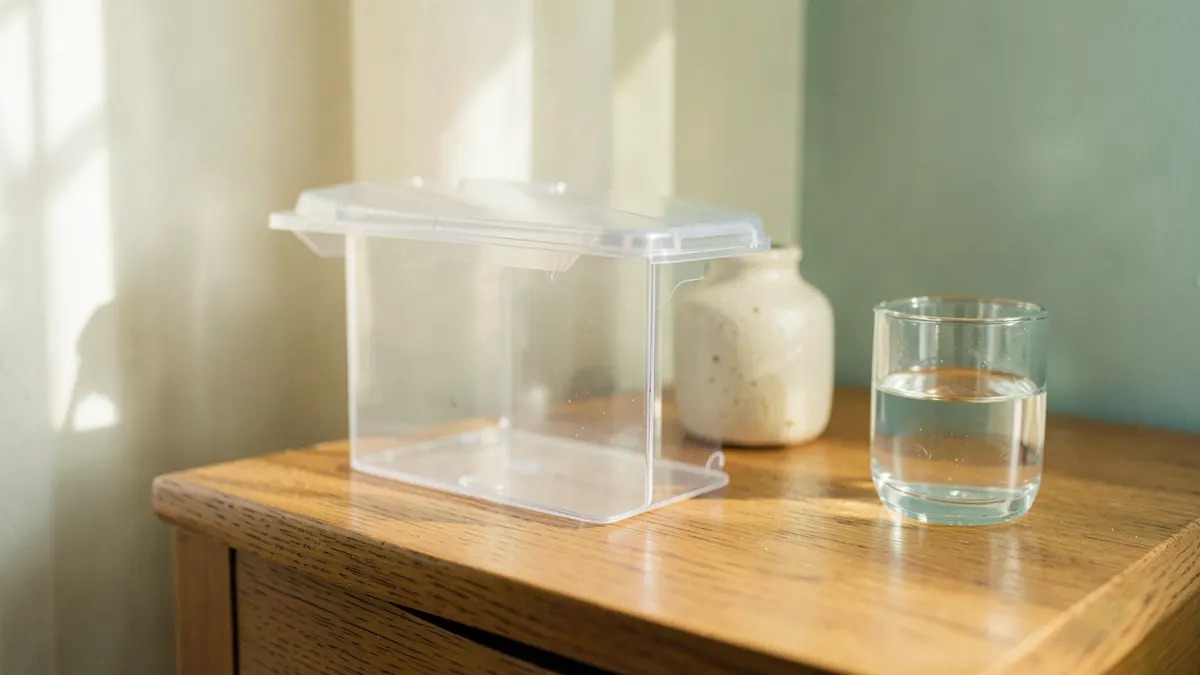
Aligners also depend on you. Leave them in a case on the kitchen counter and treatment slows down. Lose one and you wait on a replacement.
Living with brackets
Braces work whether you feel disciplined or not. They stay on, so nothing depends on your memory. The trade is food: sticky candy, hard nuts and whole apples can pop a bracket loose, and brushing around wires takes patience. Floss threaders and small brushes become part of the routine.
Comfort, looks and speech
Expect sore teeth for a few days after each new tray or each adjustment. Brackets can rub the inside of lips and cheeks at first, and orthodontic wax helps until skin toughens up. Trays can cause a slight lisp for the first week or so, and then most people stop noticing it.
For looks, clear trays are hard to spot from across a table. Metal brackets are visible, though many teens treat colored bands as a fashion choice. Ceramic brackets sit in between.
Visits and timing
Fixed braces usually mean regular adjustment visits. Aligner patients often come in less often because new trays are worn at home and checked at set points. Total treatment time depends on the case, not the brand, so ask for an estimate after your exam and treat any number given before a scan with caution.
Cost: what really moves the price
Price depends on how complex your bite is, how long treatment runs and whether you need extras such as retainers. Insurance rules vary by plan, so bring your card and let our front desk check what applies. We do not quote figures before an exam.
Who treats you matters
Our practice has two options. Dr. Joshua Etman is a general dentist who keeps up with Invisalign training, and Dr. Kayla Bateman is a board-certified orthodontist. Which one is right depends on your case, and your exam shows which fits. See orthodontic care at our Boca Raton office.
A quick way to decide
- Pick aligners if you can wear them nearly all day, want a less visible look and have a fairly simple case.
- Pick brackets if you want treatment that works without daily effort or your teeth need stronger control.
- Ask about ceramic brackets if you want fixed hardware that blends in.
Retainers are part of the plan either way
Teeth drift back toward old positions once treatment ends. A retainer holds them in place while the bone settles. Plan on wearing one as directed, because skipping it undoes months of work.
Questions patients ask
Can everyone use clear aligners?
Not always. Complex bite problems or rotated teeth sometimes need brackets and wires. An exam and a bite scan show which option fits your teeth.
Who plans Invisalign treatment at your office?
It depends on the case. Our office has both a general dentist with Invisalign training, Dr. Etman, and a board-certified orthodontist, Dr. Bateman. An exam shows which of them fits your teeth.
Ready to compare options for your own smile? Call (561) 338-6411 or book a visit online.
This article is general information, not a diagnosis. Call us to talk about your own teeth.