Straighter teeth without traditional braces: your options

The word "braces" still conjures a metal grin from a middle school photo. Orthodontics has moved on. If that image is the reason you have put off treatment, read on.
Clear aligners
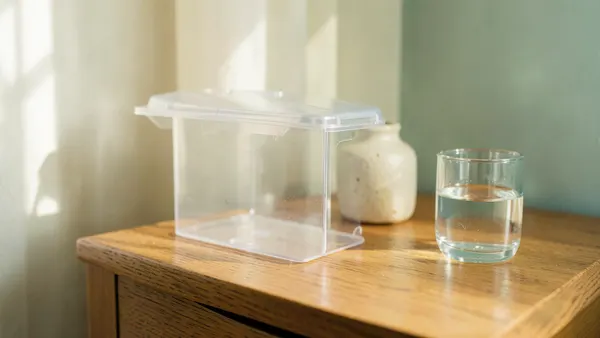
Aligners are a set of removable plastic trays, each shaped from a digital scan of your teeth. You switch to a new set every week or two as the teeth shift. They suit mild to moderate crowding, spacing and some bite issues. They are easy to clean around, since you simply take them out. The catch is discipline: they work only while you wear them.
Ceramic or tooth colored brackets
These work like traditional braces but use clear or tooth colored brackets and thin wires that blend into the smile. They are fixed in place, so nobody has to remember to wear them. They can stain if you drink a lot of coffee or tea, and they can cost a little more than metal.
Retainers after past treatment
If you wore braces as a teen and your teeth have crept back, you may not need a full second round. Sometimes a small amount of movement with aligners is enough. The first step is an exam to find out how far your teeth have moved.
Cosmetic fixes: what they can and cannot do
Veneers and bonding can disguise small gaps, uneven edges and slight rotation in one visit or two. But they sit on top of the tooth. They do not fix a bite that does not meet properly or crowding that traps plaque, and shaving teeth for veneers is a one way step. A conversation with an orthodontist helps you weigh moving teeth against covering them.
What an orthodontist looks at
- How your upper and lower teeth meet.
- Jaw growth in children and teens.
- Gum health and bone support.
- Habits like thumb sucking, clenching or mouth breathing.
- Your goals and timeline.
The right option follows from that exam. Some mouths do well with trays and others need fixed hardware, and nobody should promise a result before they see yours.
Treatment in-house at our office
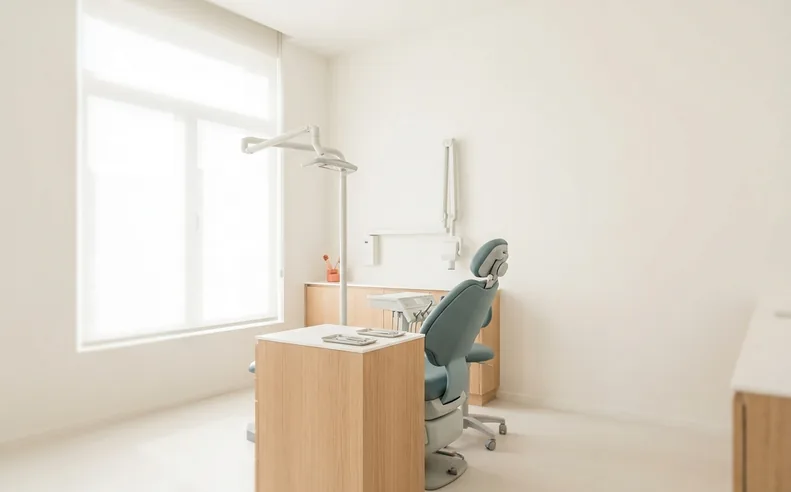
Dr. Kayla Bateman is a board certified orthodontist who treats orthodontic patients in house at Boca Dental Group, and she works alongside our general dentist, Dr. Joshua Etman. That means you do not have to carry records across town for a second opinion. See what we offer on our orthodontics page.
Straightening with a busy schedule
Aligner patients typically come in less often than patients with fixed braces, since many trays are worn at home between checks. Fixed braces need regular adjustments. Ask about the visit schedule up front so it fits around work, school and sports.
Teens and adults are both welcome
Teenagers who play contact sports may prefer aligners that come out for games with a mouthguard. Adults often value discretion. Younger children sometimes benefit from an early look so that problems with jaw growth can be seen sooner.
What to bring to a consultation
Write down what bothers you most: a gap, a crooked front tooth, a bite that feels off. Mention past braces or retainers and bring any old records. Ask about the expected length of treatment, the visit schedule and what happens afterward. A clear answer to those three questions tells you a lot about the plan.
You can also ask to see how aligners or brackets would work with the rest of your dental care, such as whitening, fillings or crowns you may need.
Questions patients ask
Are adults too old for orthodontics?
No. Teeth can move at any age if the gums and bone are healthy. Adults often choose less visible options.
Can cosmetic treatments replace braces?
Only for small cosmetic issues. Veneers or bonding can change how teeth look but they do not correct the bite or move roots.
Curious which option fits your teeth? Call (561) 338-6411 or book a consultation.
This article is general information, not a diagnosis. Call us to talk about your own teeth.