

Family and General Dentistry in Boca Raton
Checkups, cleanings, gum care, sealants, and guards for every age, from a first tooth to a full set of crowns. One office, one team that knows your whole family.
Kids, teens and adults in one office
A general dentist does for your mouth what a family doctor does for the rest of you. We see you regularly, keep notes from one year to the next, and catch the small changes before they turn into big repairs. Cleanings, fillings, crowns, and the occasional root canal all start with the same visit.
Because grandparents, parents, and kids can all be seen here, you can stop driving between offices. Dr. Joshua Etman, our general dentist, trained at the NYU College of Dentistry and completed a hospital residency at St. Luke's Roosevelt in New York. If a child needs braces down the road, board-certified orthodontist Dr. Kayla Bateman works in the same office.
Kids get their own pace. We count teeth together, show them the tools before we use them, and keep the first visits short and upbeat so the habit sticks. Baby teeth matter too: they hold space for the adult teeth and help with chewing and speech.
- Gentle first visits for young children
- Teen care, sports guards, and orthodontic checks in one place
- Adults and seniors: gum care, restorations, and screenings
- Nervous about the chair? Tell us, and we slow everything down

Checkups and cleanings
Most patients come in every six months. If you have gum problems, a health condition, or a lot of dental work, we may suggest coming more often. Here is what a routine visit looks like.
Health and medication review
Tell us about new prescriptions, conditions like diabetes, or a pregnancy. Some medicines dry the mouth or make gums bleed more easily, and that changes how we care for you.
Digital X-rays and photos, when needed
We take digital X-rays only as your history calls for them, plus close-up intraoral photos so you can see on screen exactly what we see.
Cleaning with a hygienist
Our hygienists, Jackie and Diana, remove plaque and hardened tartar, floss between each tooth, polish, and check the gum pockets around every tooth.
Exam and oral cancer screening
Dr. Etman checks for decay, cracks, worn fillings, and bite problems, then looks over the tongue, cheeks, floor of the mouth, and throat for sores or patches that need watching.
A plan in plain words
You hear what is healthy, what to watch, and what needs care now. For children, that may include fluoride or sealants on the back teeth.

Gum health
Bleeding when you brush is the most common early warning sign. It usually means gingivitis: plaque at the gum line has inflamed the tissue. At this stage, a professional cleaning and better daily care can turn it around.
Left alone, plaque hardens into tartar that slips below the gum line. The gums pull away from the teeth, pockets form, and the bone that holds the teeth starts to break down. That stage is periodontitis, and it can end in loose teeth or tooth loss. Receding gums, where more of the tooth or root shows than before, can come from gum disease or from brushing too hard.
- Red, puffy, or tender gums
- Bad breath that keeps coming back
- Teeth that look longer or feel loose
- New gaps or a change in your bite
When pockets are deep, we recommend scaling and root planing, a deep cleaning done one section of the mouth at a time with numbing. It clears tartar from the root surfaces and smooths them so the gums can reattach. Advanced cases may need a periodontist, a dentist who specializes in gums, and we will tell you plainly if yours does.
Your gums also talk to the rest of your body. Gum disease has been linked with diabetes, heart disease, and respiratory infections, and hormone changes during pregnancy can make gums swell and bleed. Expecting? Keep your cleanings on the calendar and let us know.
Book a Gum CheckGuards and sleep
Many people grind or clench at night and never know it until a partner hears it or a tooth cracks. Morning jaw soreness, headaches at the temples, and flattened tooth edges are the usual clues. A custom guard, shaped from a scan or impression of your teeth, fits closer and stays in better than a store-bought one.
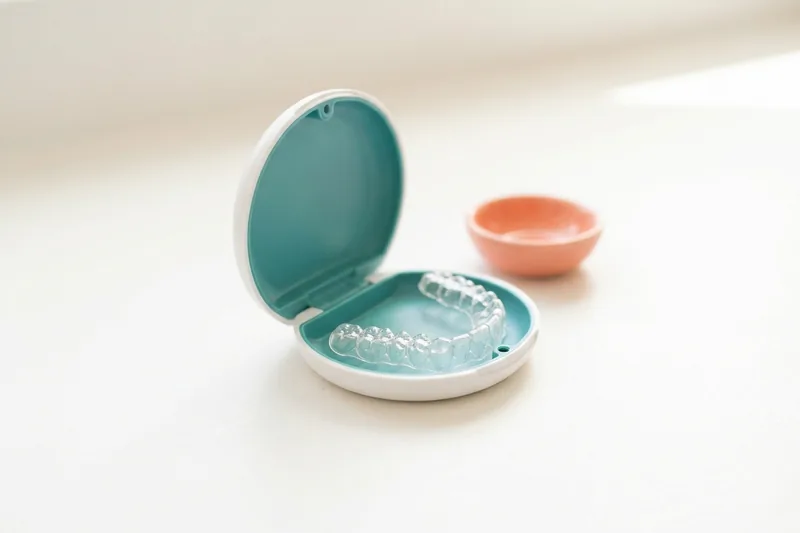
Night guards
A thin, hard guard worn while you sleep. It takes the force of grinding so your enamel, fillings, and crowns do not, and it can ease strain on the jaw joint (TMJ).
Night guard questions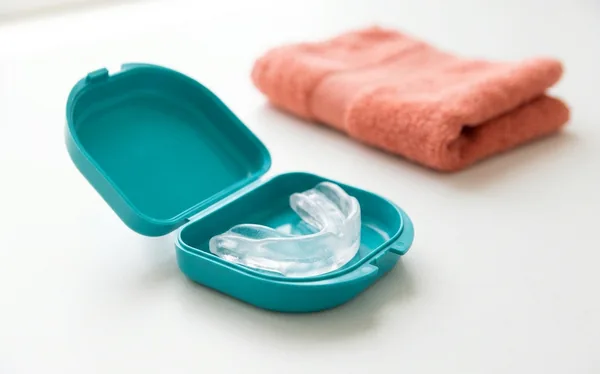
Sports mouth guards
A softer, thicker guard for football, basketball, soccer, martial arts, or skating. It cushions blows that could chip, crack, or knock out a tooth and protects the lips and cheeks.
Mouth guard questions
Sleep apnea appliances
Loud snoring, gasping at night, and daytime exhaustion can point to sleep apnea. A physician's sleep study confirms it. For some patients, an oral appliance that holds the lower jaw forward keeps the airway open.
Book a visit to askDental terms
Words you may hear in the chair, or read on a treatment plan, without the jargon.
- Plaque
- A sticky film of bacteria that forms on teeth every day. Brushing and flossing remove it.
- Tartar (calculus)
- Plaque that has hardened onto the tooth. Only a dental cleaning can remove it.
- Gingivitis
- Early gum inflammation. Gums look red and bleed easily, and it is reversible.
- Periodontitis
- Advanced gum disease that damages the bone around the teeth.
- Scaling and root planing
- A deep cleaning below the gum line that removes tartar and smooths the roots.
- Sealant
- A thin protective coating on the chewing surfaces of back teeth.
- Fluoride
- A mineral that strengthens enamel and helps it resist decay.
- Bruxism
- Grinding or clenching the teeth, often during sleep.
- TMJ
- The jaw joint in front of each ear. Grinding can make it sore or stiff.
- Bitewing X-ray
- An image of the upper and lower back teeth that shows decay between them.
- Crown
- A cap that covers a damaged tooth. See our same day crowns and restorative care.
- Implant
- A titanium post that replaces a missing root. See implants and dentures.
More reading from our blog: how long fillings last and when to replace them, tooth clues that a crown may be next, and what to do if you feel nervous about dental work.
General dentistry questions
Have a question that is not here? Call the office and a team member will walk you through it.
Call (561) 338-6411What is gum disease and what causes it?
Gum disease is an infection of the tissue and bone that hold your teeth in place. It starts when plaque builds up along the gum line and hardens into tartar. Bacteria in that buildup irritate the gums, which become red and bleed. Smoking, diabetes, some medications, and hormone changes all raise the risk.
What are common signs of gum disease?
Watch for gums that bleed when you brush or floss, look red or swollen, or feel tender. Other signs include bad breath that will not go away, gums pulling back so teeth look longer, loose teeth, and a change in how your teeth fit together when you bite. Early gum disease often causes no pain, so regular exams matter.
How can I prevent getting gum disease?
Brush twice a day with fluoride toothpaste, angling the bristles toward the gum line, and clean between your teeth every day. Keep your cleanings on schedule so tartar is removed before it causes damage. Not smoking and keeping conditions like diabetes under control also protect your gums. Tell us early if you notice bleeding.
Who is a good candidate for a mouth guard?
Anyone who plays a contact sport or an activity with a risk of falls, such as football, soccer, basketball, hockey, martial arts, or skateboarding, should wear one. Children and adults with braces need protection too. People who grind or clench their teeth at night are candidates for a night guard, a different device made for sleep.
What is the difference between mouth guards and night guards?
A sports mouth guard is thicker and softer. You wear it during physical activity to absorb impact and protect teeth, lips, and cheeks. A night guard is thinner and usually harder. You wear it while you sleep to stop grinding and clenching from wearing down enamel or straining the jaw joint. Both fit better and stay put when custom made.
How can I tell if I have bruxism?
Common clues are a sore or tired jaw when you wake up, dull headaches near the temples, teeth that look flat or chipped at the edges, and new sensitivity to cold. A partner may hear grinding at night. During your exam, we look for wear patterns on the teeth and can tell you if a night guard would help.
How can I cope with dental anxiety?
Tell us when you book that you feel nervous. We will explain each step before we start, agree on a hand signal so you can pause at any time, and keep visits shorter if that helps. Many patients bring headphones and music. Coming in regularly also helps, because small, routine visits replace the memory of big, uncomfortable ones.
How can I ease my child's dental anxiety?
Start visits early, around the first tooth or first birthday, so the dentist feels familiar before anything needs fixing. Use simple, positive words at home and skip phrases like it will not hurt. Read a picture book about the dentist together. Stay calm yourself, because children pick up on your mood, and praise them after every visit.
How often should I get a dental cleaning?
Many dentists recommend a cleaning about every six months, but the right schedule is personal. People who get cavities easily or have gum disease may need visits every three to four months. Your dentist sets your schedule after your exam.
Does a dental cleaning hurt?
A routine cleaning is usually mild. You may feel pressure, and your teeth or gums can be sensitive or sore for a few days afterward. Tell your hygienist if anything is uncomfortable. A deeper cleaning for gum disease can be more tender and may use numbing.
Can gum disease be reversed?
The early stage, called gingivitis, can usually be reversed with a professional cleaning and daily brushing and flossing. Once it advances to periodontitis, lost bone cannot be undone, but treatment can control it and keep it from getting worse. See a dentist if your gums bleed, look swollen, or feel tender.
Book a cleaning and exam
Book your family's cleanings online, or call the office at (561) 338-6411. New patients are welcome.