
A weak tooth is not a lost tooth: what a crown can do
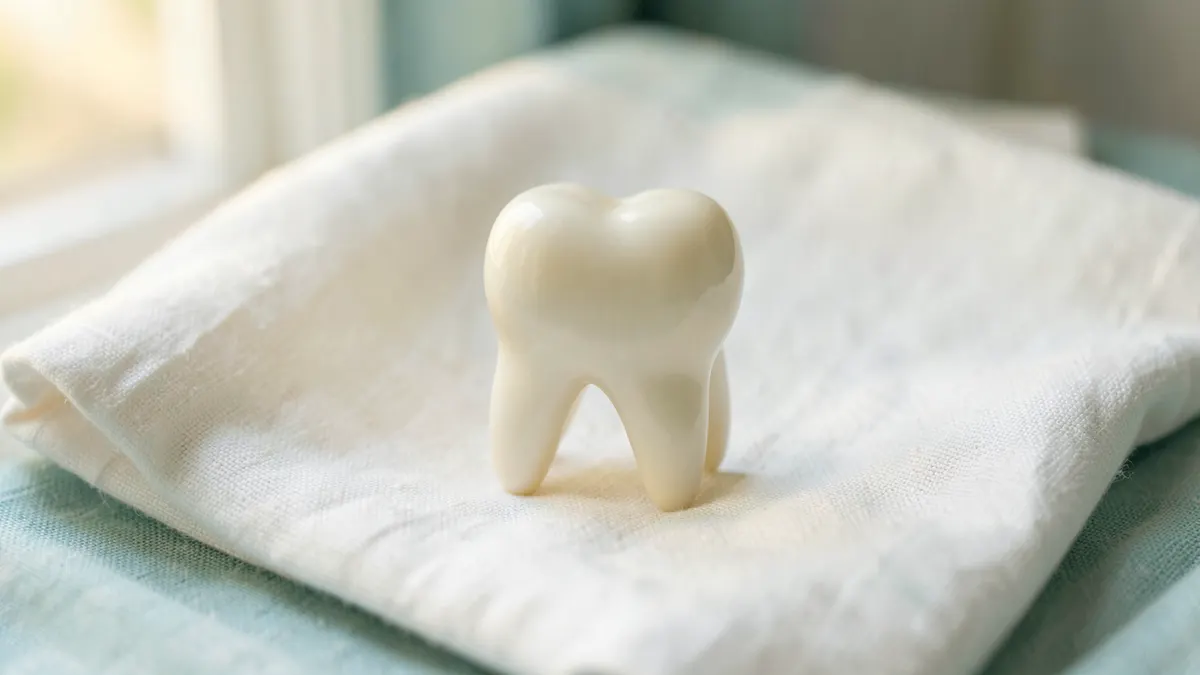
Most teeth do not fail overnight. They get a filling, then a bigger filling, then a hairline crack nobody sees. One day a piece breaks off over a sandwich. By then the tooth had been losing strength for years.
A crown is the step that can interrupt that slide.
Why fillings run out of room
A filling replaces a small amount of tooth. Once decay or an old repair takes out most of the chewing surface, the walls that remain are thin. Thin walls flex under pressure, and enamel does not flex well. That is how cracks start.
A crown covers the whole visible part of the tooth, so the bite force spreads across the cap instead of pressing on weak edges.
What the crown does for the tooth underneath
First, it seals. A snug fit leaves little space for bacteria, sugar, and acid to creep in. Second, it insulates. Many people with a worn tooth feel a zing from cold water or hot coffee, and a crown covers the exposed surface that causes it. Third, it restores your bite. You chew on that side again without favoring the other one.
Who a crown might help
- A tooth with a cavity too large for a filling
- A chipped, cracked, or worn-down tooth
- A tooth that has had a root canal
- A tooth that will anchor a bridge
- A tooth with a shape or color you dislike
Not every tooth qualifies. Your dentist takes X-rays to look below the gumline. If the roots and surrounding bone are healthy, saving the tooth makes sense. If the damage goes too deep, extraction and a replacement such as an implant may be the better plan.
Why keep the natural tooth at all?
Your own root keeps the jawbone stimulated. It also keeps neighboring teeth from drifting into a gap. Replacements are good, but they are still replacements. When a tooth can be repaired, that is usually the simpler road.
What to expect at the dental office
Your dentist removes decay, shapes the tooth, and records its exact size. With a traditional crown, a lab makes the cap and you wear a temporary one in the meantime. At the second visit the dentist checks the fit, adjusts the bite, and cements the crown.
Boca Dental Group can also make ceramic crowns in the office with CEREC, so some patients finish in a single visit. Read about it on our same-day crowns page.
Signs not to wait
Pain when you release a bite, sensitivity that lingers, a sharp edge your tongue keeps finding, or a filling that feels loose are all reasons to be seen. Waiting gives a small crack time to travel.
What happens if you wait
A cracked tooth does not heal on its own. Chewing keeps opening the crack, and bacteria can follow it toward the nerve. What might have been a crown can turn into a root canal, and in the worst case a lost tooth. The earlier a weak tooth is covered, the more of it there is to work with.
That does not mean every sore tooth needs a crown. Sometimes a filling is enough, and sometimes a crown is. A short exam answers the question, and it costs far less in time and worry than guessing.
Questions patients ask
How does my dentist know a tooth can be saved?
With an exam and X-rays. The dentist checks the roots and the bone around them. If they are healthy enough, the tooth may be a candidate for a crown.
Will a crown stop decay?
It covers and seals the tooth, which helps keep out bacteria and sugars. You still need to brush, floss, and keep up your checkups, since decay can start at the edge.
If a tooth feels fragile, call (561) 338-6411 or book a visit online before it breaks.
This article is general information, not a diagnosis. Call us to talk about your own teeth.