
Orthodontics FAQBoca Raton, FL
What age should my child see an orthodontist?
The American Association of Orthodontists recommend that your child should be evaluated by an orthodontist between the ages of 7-8 years old. It may seem young, however, problems with skeletal abnormalities and crowding can be identified and treated early on, which helps prevent more extensive treatment later on.
What is Phase I/Phase II orthodontic treatment?
Phase I and Phase II orthodontic treatment are two phases of treatment that help create a better relationship between the teeth and jaws, improve facial symmetry, and help align teeth.
Phase I usually start during mixed dentition and usually involves an early appliance such as a palatal expander, habit braker, or bite plate. It helps resolve any issues with jaw growth and development.
Phase II is what most people think of when you think of orthodontics. It usually begins when most or all of the permanent teeth have erupted. It usually includes braces or Invisalign depending on the severity of misalignment, crowding, or bite issues.
Why would I do I need orthodontic treatment?
Orthodontic treatment can correct a wide range of orthodontic issues, such as overbite, underbite, spacing, crowding, or bites issues. Orthodontic treatment can consist of orthopedic interventions such as palatal expanders or reverse pull headgear. Or it can consist of traditional braces or Invisalign with elastics to correct the bite. Additionally, orthodontic treatment can help stop tongue thrusting or thumb/finger sucking. It can increase the cleanability of the teeth, as well as increase the self confidence of patients! It helps achieve that beautiful smile while correcting all the issues that could potentially cause problems in the future.
What should I do when there is a loose bracket?
Call your orthodontist as soon as possible to schedule an appointment. It is not a true emergency but the orthodontist may want to bring you in sooner than your next scheduled appointment. If the bracket is irritating your gums or cheek, cover with orthodontic wax until you can see an orthodontist.
Are Invisalign or Braces better?
One is not necessarily better than the other. It is two different ways to achieve the same end goal, the beautiful smile! In some patients, braces may be better if they do not think they will be compliant with the Invisalign. However, in other patients, Invisalign may be a better option. It depends on the types of movements needed. Some movements are easier with braces, whereas some movements are easier with Invisalign. In general, the time of treatment usually do not vary depending on Invisalign or braces.
How often do I need to wear my retainer?
A general rule of thumb, after the removal of your braces or Invisalign, it is important to wear your retainer full time (22 hours a day) for the first 3-6 months after debond. After that time, you should wear your retainer every day for the rest of your life. This can vary depending on type of treatment and type of retainer you have.
Contact Us
Boca Dental Group is located at 7015 Beracasa Way # 101 Boca Raton, FL 33433.
Related Posts
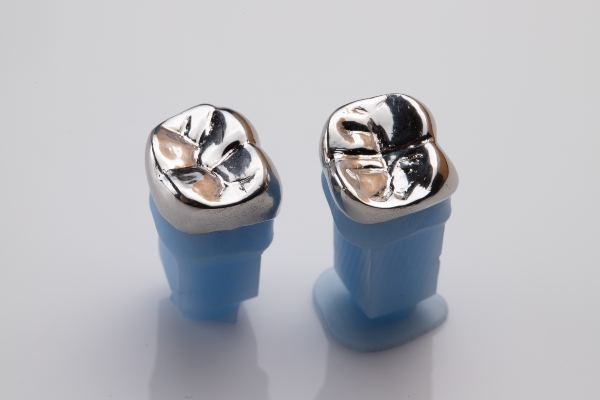
Getting A Dental Crown When You Have A Metal Allergy
Silver amalgam dental crowns are among the most well-known dental restorations. However, there are other crown options. A general dentist can restore damaged, decayed teeth in patients with metal allergies through a variety of non-metal dental crowns.According to the American Academy of Allergy, Asthma & Immunology, nickel allergies are the most common metal allergies in…
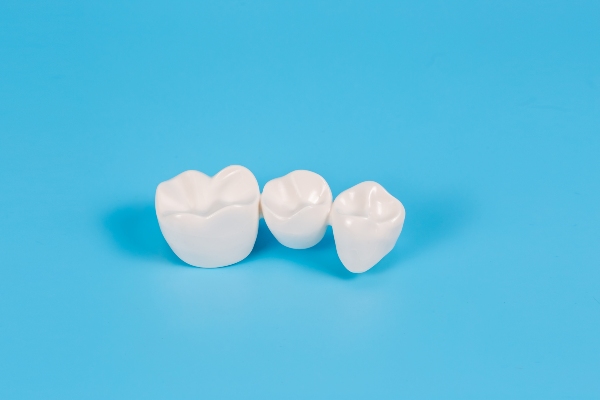
Protect And Preserve: The Role Of Dental Crowns In Oral Health
Oral health involves keeping the teeth functional and healthy for as long as possible, and a dental crown is one way to do this after a tooth has been damaged. Damage does not necessarily equate to losing a tooth, though it can if treatment does not occur quickly enough. Fortunately, a dental crown is simple…

How Dental Crowns Can Salvage Damaged Teeth
Dental crowns are often used to cover chipped or decayed teeth so as to restore their form and function. If tooth damage is too severe to be handled with dental fillings, the dentist will typically recommend getting crowns. Dental crowns might be made of porcelain, metal, ceramics, or resin. No special care is required, except…

How Long Do Dental Fillings Last?
Dental fillings repair teeth affected by cavities. However, how long they last depends on the selected material, the patient's bite, and how well that patient cares for their smile. With good oral hygiene and regular dental visits, fillings can last many years.A dental filling must handle everyday chewing, temperature changes, and daily cleaning. These forces…

Understanding Dental Crowns: Everything You Need To Know
A dental is one of the most commonly applied prosthetic devices in dentistry. In fact, according to the International Journal of Environmental Research and Public Health, about one in three people over the age of 19 has at least one dental crown. This cap forms the new biting surface of a tooth and is used…