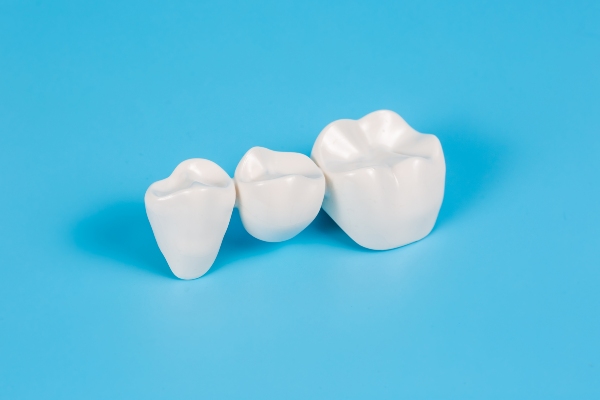
 A dental crown is a versatile type of dental restoration. It can work on its own and with dental replacement systems. It may take weeks to get your custom-fit crown, but it will be worth the wait. Here are some tips on how to care for and maintain your dental crown.
Practice good oral care
Proper oral hygiene is necessary to maintain a dental crown’s look and health. Flossing is vital to removing food particles and plaque from the cap and dental spaces. Use a floss threader to clean around the crown. Brushing using fluoride toothpaste and a soft-bristled toothbrush is important in providing a dental clean. Small circular brushing motions at a 45-degree angle can reach every tooth surface. Using an antibacterial mouthwash can kill off bacteria and prevent gum infection.
Lifestyle changes
Limit the intake of sugary and acidic foods. These foods can erode the enamel layer of the natural tooth underneath the dental crown. This deterioration increases one’s risk of dental damage and decay. Stay away from sugary and acidic drinks as well. Avoid hard and chewy foods as well. These can damage or dislodge the crown.
Refrain from eating or drinking staining foods and drinks. They can leave the dental crown with some stubborn surface stains, which can make the crown pop out from the neighboring natural teeth. Concentrate on clear drinks and broths. Curries and tomato sauce can discolor the new dental crown.
Facial trauma from physical activities can result in dental crown damage. The dentist can provide a custom-fit mouthguard for contact sports and other adventures. This dental appliance can provide an extra layer of protection during these activities. The dental crown can then stay intact inside the mouth.
Jaw clenching or teeth grinding can put excessive pressure on a dental crown. Studies show that bruxism can happen during nighttime sleep and stressful times. This condition can damage the crown over time. The dentist can create a custom-fit nightguard that can simultaneously protect the natural teeth and the dental crown.
Caring for a temporary dental crown
A temporary crown will cover the treated tooth while the lab creates the permanent dental crown. The patient will wear this short-term cap for about two weeks. That is why it is also important to care for them. Below are some tips to consider in doing so:
- Keep an eye on allergic reactions and swelling
- Stay away from hard and sticky foods
- Watch out for crown loosening
- Avoid hot foods
- Refrain from jaw clenching or teeth grinding
- Use the other side of the mouth for chewing
- Rinse with salt water
- Resist direct flossing
- See the dentist for a follow-up appointment
- Practice good oral care
Keeping your dental crown in top shape can help you achieve a lasting, rejuvenated smile
Restoring your tooth will allow you to have a good-looking, functional tooth. Your dentist will protect your weakened or damaged tooth with a dental crown. That is why you must care for this restoration well. Working with your dentist can help you achieve a long-lasting, renewed smile.
Request an appointment or call Boca Dental Group at 561-325-7927 for an appointment in our Boca Raton office.
Related Posts
Silver amalgam dental crowns are among the most well-known dental restorations. However, there are other crown options. A general dentist can restore damaged, decayed teeth in patients with metal allergies through a variety of non-metal dental crowns.According to the American Academy of Allergy, Asthma & Immunology, nickel allergies are the most common metal allergies in…
Oral health involves keeping the teeth functional and healthy for as long as possible, and a dental crown is one way to do this after a tooth has been damaged. Damage does not necessarily equate to losing a tooth, though it can if treatment does not occur quickly enough. Fortunately, a dental crown is simple…
Dental crowns are often used to cover chipped or decayed teeth so as to restore their form and function. If tooth damage is too severe to be handled with dental fillings, the dentist will typically recommend getting crowns. Dental crowns might be made of porcelain, metal, ceramics, or resin. No special care is required, except…